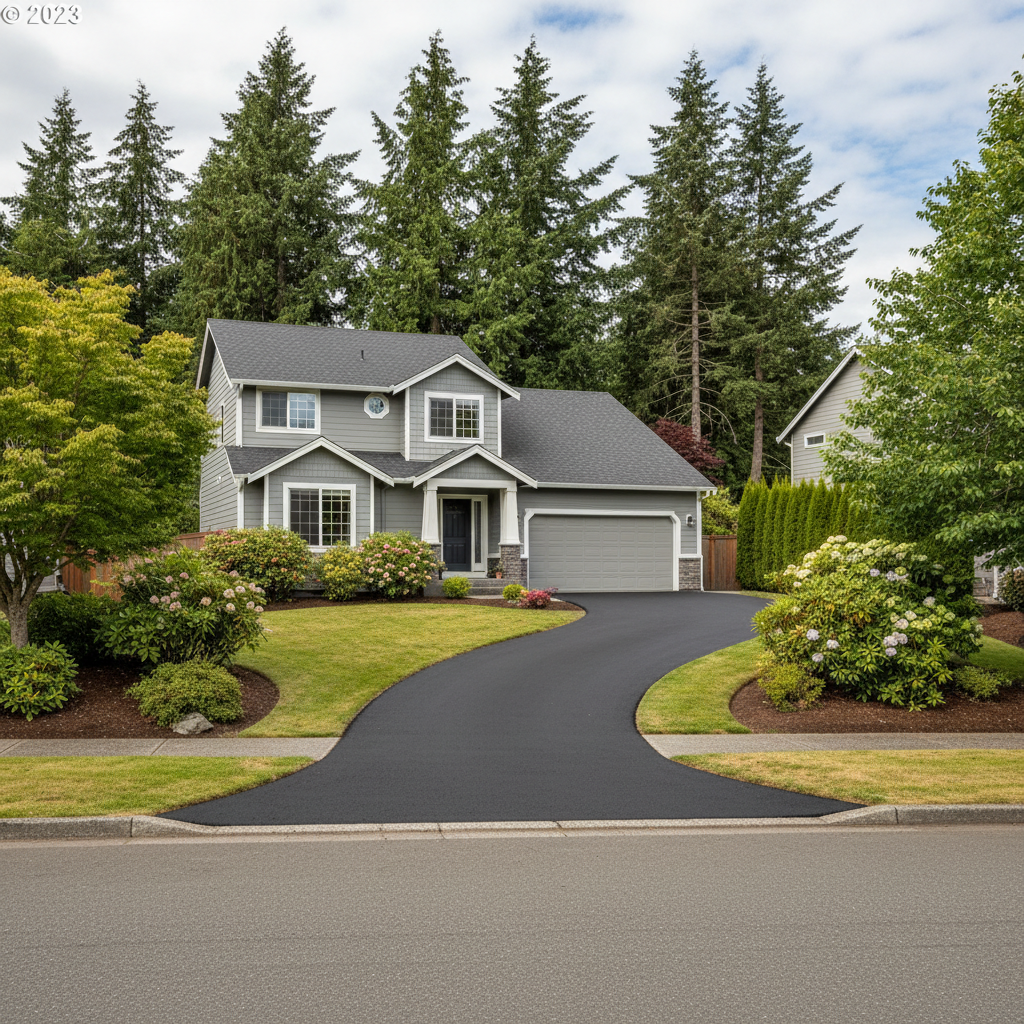
Our Marysville Weather is No Joke for Asphalt
You know it, and honestly, I know it too. Our weather here in Marysville — those long, wet winters and then the hot, dry summers — really puts residential asphalt through its paces. It's not just the rain, you know? It's the constant cycle of freezing and thawing, the dampness that never seems to quit, and then the sun just bakes everything. This combination is a real killer for driveways if they aren't built right or looked after properly.
I've been working on driveways around here for years, from the older homes near downtown to the newer developments out towards Lake Goodwin, and I've seen firsthand what our Pacific Northwest climate does. It's totally different from, say, Eastern Washington or California. Our soil conditions, for instance, can be pretty clay-heavy in spots, which means drainage is always a huge deal. If water just sits under your asphalt, it's going to cause problems. Simple as that.
Common Asphalt Problems We See Around Marysville
So, what kind of problems am I talking about? Well, a few things pop up more often than others:
- Cracking: This is probably the most common one we see. You get alligator cracking, longitudinal cracks, transverse cracks — all sorts. Those freeze-thaw cycles make the pavement expand and contract, and water seeps into tiny cracks, freezes, expands, and then boom — bigger cracks.
- Potholes: These usually start from a small crack that lets water in. That water weakens the base, and then cars drive over it, breaking up the asphalt until you've got a full-blown pothole. They're annoying, they're dangerous, and they only get worse, right?
- Fading and Deterioration: The sun's UV rays, even on cloudy days, plus rain and oil spills, can break down the asphalt binder. Your driveway starts to look gray instead of black, and the surface gets rougher. This is a clear sign that the top layer is losing its flexibility and protection.
- Drainage Issues: Sometimes it's not the asphalt itself, but the water around it. If your driveway isn't graded correctly, or if gutters are dumping water right onto the edge, you'll definitely see erosion, soft spots, and faster deterioration. I've seen driveways in places like the Sunnyside neighborhood where improper drainage from a sloped yard just eats away at the edges.
Why Local Expertise Matters for Your Driveway
You might think asphalt is just asphalt, but that's not really true, especially when you consider our specific climate and local regulations. A contractor who's only worked in drier climates might not understand how important proper sub-base preparation is for our wet conditions, or the right type of asphalt mix that holds up best against constant moisture and temperature swings.
We know the soil types here. We know the average rainfall. We know what kind of wear and tear a busy family driveway in Marysville gets. This local knowledge isn't just a nice-to-have; it's absolutely crucial for doing a job that lasts. When we're talking about your home, you want someone who understands the ins and outs of building something that will stand up to our unique environment.
What You Can Do to Protect Your Investment
You've put money into your home, and your driveway is a big part of its curb appeal and how well it functions. So, how do you keep it in good shape?
- Sealcoating: Think of this as sunscreen and a raincoat for your driveway. It protects against UV rays, water getting in, and even some oil and gas spills. Plus, it brings back that rich black color. We usually recommend sealcoating every 2-3 years, depending on traffic and how much sun it gets.
- Crack Filling: Don't let those small cracks turn into big problems. Filling them quickly keeps water out of your sub-base and prevents bigger damage. It's a simple, cost-effective maintenance step, really.
- Prompt Repairs: If you see a pothole or a section of alligator cracking, get it fixed. The longer you wait, the bigger and more expensive the repair will be.
- Good Drainage: Make sure water isn't pooling on or around your driveway. Check your downspouts and ensure the ground slopes away from the pavement.
Look, your driveway is an investment. It's often the first thing people see when they come to your house, and it takes a beating every single day. Taking care of it means it'll last longer, look better, and save you money on major repairs down the road.
If you've got questions about your Marysville driveway or you're seeing some of these issues, please don't hesitate to reach out. We at Absolute Asphalt Co are always happy to take a look and give you an honest assessment. We're your neighbors, after all, and we want to see our community's properties looking their best.