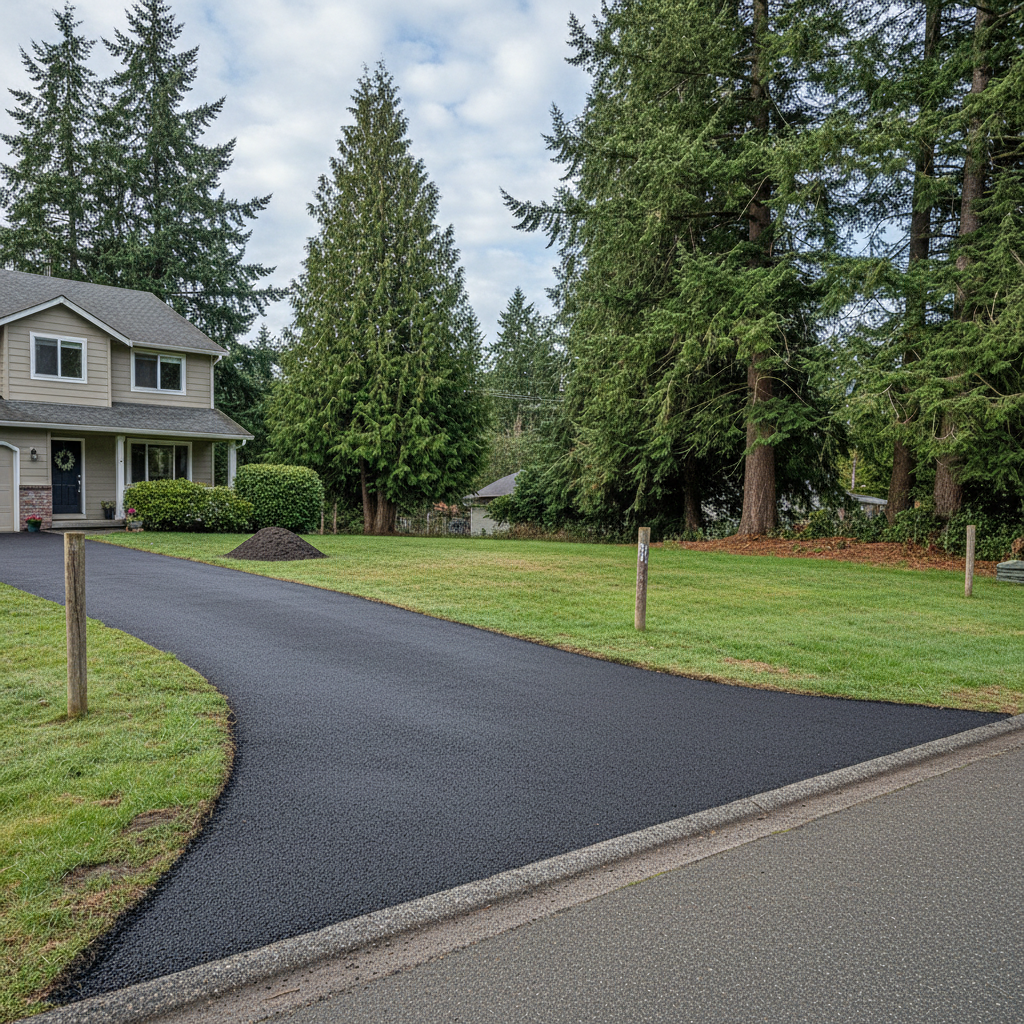
You're looking at your driveway, maybe it's got some cracks, potholes, or just looks worn out. You've heard about asphalt milling as a good way to fix things up without a full tear-out. That's smart thinking. But when's the best time to get it done here in Marysville? It's not as simple as picking a random Tuesday.
Why Timing Matters for Asphalt Milling in Marysville
Our weather around here, especially in Marysville, is a big deal for any kind of asphalt work. We get a lot of rain, and those temperature swings can be brutal on fresh asphalt. Milling isn't just about grinding up old pavement; it's about preparing a solid, stable base for new asphalt to go down. If you mill at the wrong time, you're just asking for trouble down the road.
Think about it: milling exposes the underlying aggregate. If that gets soaked and then freezes, you've got problems. The ground underneath expands and contracts, and that's not what you want when you're trying to lay a smooth, durable surface. We've seen it happen. Folks try to rush it in the late fall, thinking they'll beat the real winter, and then they're calling us back in the spring with issues.
The Best Time to Schedule Your Milling Project
From what we've seen at Absolute Asphalt Co, the sweet spot for asphalt milling in Marysville is usually late spring through early fall. That's roughly May through September, sometimes into October if we get a nice, dry stretch.
- Late Spring (May-June): The ground has had a chance to dry out from the winter rains. Temperatures are consistently above freezing, and we're usually past the worst of the spring showers. This is a prime window.
- Summer (July-August): This is ideal. Hotter, drier weather means the ground is stable, and any new asphalt we lay down will cure perfectly. Less chance of rain delays, too.
- Early Fall (September-Early October): Still a good time, but you've got to watch the forecast. We're looking for those stretches of clear, dry days before the real rainy season kicks in. If it's too cold or wet, we'll advise against it.
What we're really looking for is a good run of dry weather, ideally with temperatures consistently above 50 degrees Fahrenheit. That's crucial for the milling process itself and for the subsequent paving.
Weather Conditions to Avoid
Just as important as knowing when to do it, is knowing when not to do it. Here are the conditions that make milling a bad idea:
- Heavy Rain: This is a no-brainer. Milling wet asphalt is messy, inefficient, and can damage the sub-base. Plus, laying new asphalt on a wet surface is a recipe for failure.
- Freezing Temperatures: When the ground is frozen, milling can be harder on equipment, and it's just not a good foundation for new pavement. The freeze-thaw cycle will wreak havoc.
- Extreme Heat (rare for milling, but worth noting for paving): While milling itself isn't as sensitive to extreme heat as paving, if it's scorching hot, the milled surface can get too dry and dusty, making it harder for the new asphalt to bond properly. But let's be real, we don't get too many of those days here in Marysville.
We're talking about the kind of weather that makes the ground around places like the Sunnyside neighborhood stay soggy for weeks on end. You don't want to be milling when the water table is high and everything's a muddy mess.
Protecting Your Investment Year-Round
Once you've had your milling and paving done, you've made a real investment in your property. You want that driveway to last. Here's how you protect it, no matter the season:
- Sealcoating: This is your first line of defense. A good sealcoat every 2-3 years, depending on traffic and sun exposure, protects your asphalt from UV rays, water penetration, and chemicals. It's like sunscreen for your driveway.
- Crack Sealing: As soon as you see a crack, get it sealed. Don't wait. Water is asphalt's worst enemy. It gets in, freezes, expands, and turns a small crack into a big pothole. This is especially important before our wet Marysville winters.
- Drainage: Make sure water is draining off your driveway properly. If you have standing puddles, that's a problem. Sometimes, a little landscaping adjustment can make a huge difference.
- Avoid Heavy Loads: Try not to park heavy equipment or RVs in the same spot for extended periods, especially during hot weather when asphalt is softer.
- Clean Regularly: Sweep off debris, leaves, and dirt. This prevents organic matter from breaking down on your asphalt and holds less moisture against the surface.
Taking care of your asphalt isn't a one-and-done deal. It's ongoing maintenance, but it pays off big time in the long run. A well-maintained driveway adds curb appeal and value to your home. If you've got questions about your specific situation or you're ready to talk milling, give us a call at Absolute Asphalt Co. We're always happy to share what we know.