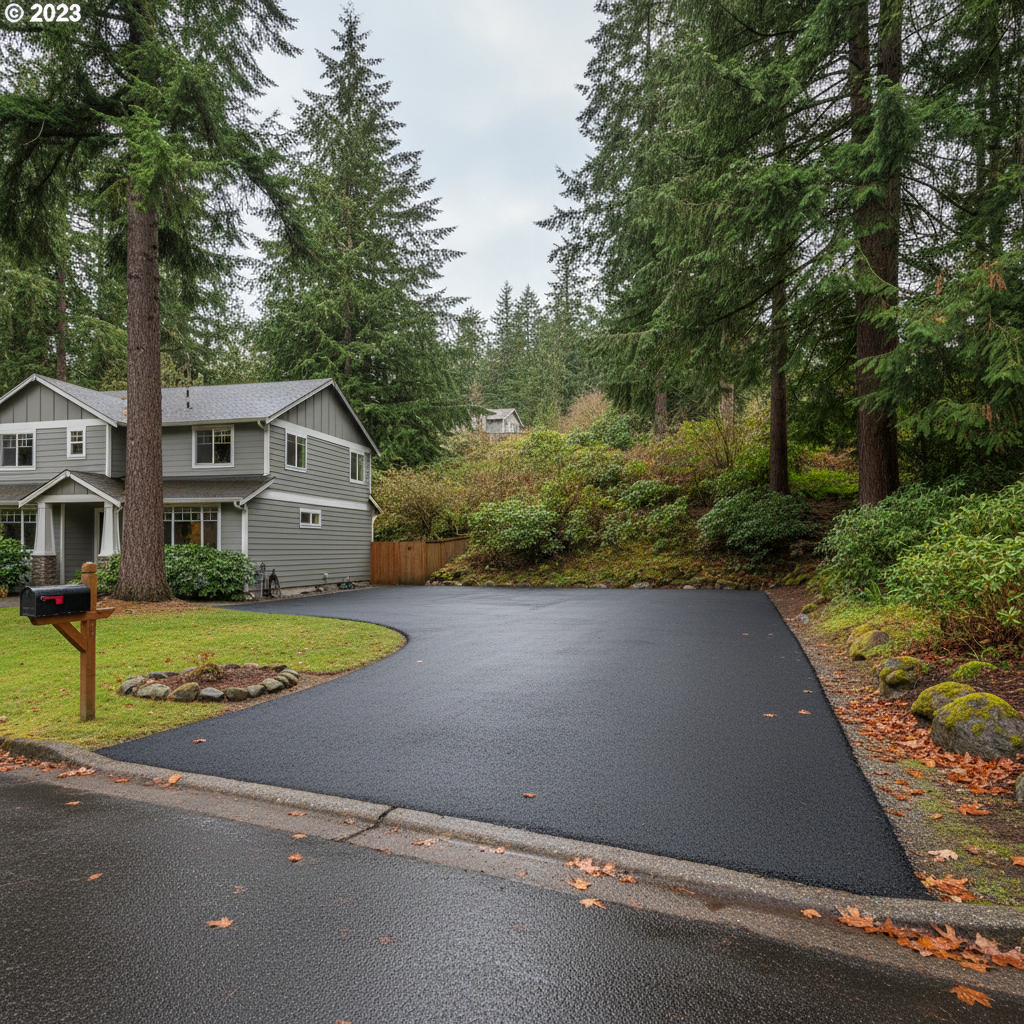
When's the best time to get that commercial parking lot or driveway paved or repaired? It's a question I get asked a lot here in Marysville, and it's not as simple as just picking a sunny day. Our Pacific Northwest climate, with its specific wet and dry cycles, plays a huge role in how long your asphalt will last and how good it'll look.
Why Marysville Weather Matters for Asphalt
You know how it is around here. We get those long, wet winters and springs, then a stretch of drier, warmer weather, and then it's back to the drizzle. Asphalt, whether it's for a big box store parking lot or a small business entrance, needs certain conditions to cure properly. You can't just lay it down when it's pouring rain or freezing cold. That's a recipe for cracks and premature failure, and nobody wants that.
We're looking for a sweet spot. The ground needs to be stable, not waterlogged. The air temperature needs to be consistently above 50 degrees Fahrenheit, and ideally, rising. And we need a stretch of dry weather for the asphalt to cool and harden correctly. If you've ever driven through the older parts of Marysville, maybe around the waterfront or areas with clay-heavy soil, you've seen what happens when foundations aren't stable or asphalt is laid in less-than-ideal conditions. It just doesn't hold up.
The Best Time to Schedule Your Commercial Asphalt Work
Based on what we see year after year, the prime window for asphalt paving and major repairs in Marysville is usually from late spring through early fall. Think May, June, July, August, and sometimes into September. This is when we typically get our longest dry spells and the warmest temperatures.
- Late Spring (May-June): The ground has usually dried out enough from winter rains. Temperatures are consistently warm, but not scorching. It's a great time to get on the schedule before the peak summer rush.
- Summer (July-August): This is peak season. Hot, dry days are perfect for laying and curing asphalt. The downside? Everyone else wants their work done then too, so lead times can be longer. Plan ahead!
- Early Fall (September): Often still good, especially if we have an 'Indian summer.' But you're playing a bit of a gamble with the weather. We start seeing more rain, and overnight temperatures can drop, which isn't ideal for the final cure.
Trying to push it into late fall or winter? Not a good idea for new paving or major overlays. You're fighting moisture and cold, which means the asphalt won't compact as well, and water can get trapped underneath, leading to freeze-thaw damage later on. For small patch jobs, sometimes we can make it work, but it's always a compromise.
Protecting Your Investment Year-Round
Once you've got that fresh asphalt down, you want it to last. It's a big investment for any business. Here's how you protect it:
- Sealcoating: This is your asphalt's sunscreen and rain jacket. It protects against UV rays, water penetration, and oil spills. For commercial properties, I generally recommend sealcoating every 2-3 years, depending on traffic volume. It's a lot cheaper than repaving.
- Crack Sealing: As soon as you see cracks, seal 'em. Don't wait. Cracks are like open invitations for water to get under your asphalt, freeze, expand, and create potholes. This is especially true with our wet winters. A small crack can become a big problem fast.
- Drainage Management: Make sure your drainage is working. Puddles sitting on your asphalt are bad news. They soften the surface, and if they freeze, they cause major damage. Clear those drains and make sure water is flowing away from your pavement.
- Regular Cleaning: Keep it clean. Debris, dirt, and chemicals can break down the asphalt over time. A good sweep and occasional wash can make a difference.
- Line Striping: Not just for looks, clear line striping helps direct traffic and prevent accidents, which in turn reduces wear and tear in specific areas. Plus, it just makes your business look professional.
Look, your commercial property's asphalt is one of the first things your customers see. It's part of your business's curb appeal and safety. At Absolute Asphalt Co, we've been helping Marysville businesses keep their pavement in top shape for years. We know what works here, and we're always happy to talk through your specific needs and timeline. Don't hesitate to give us a call before the paving season really kicks off.