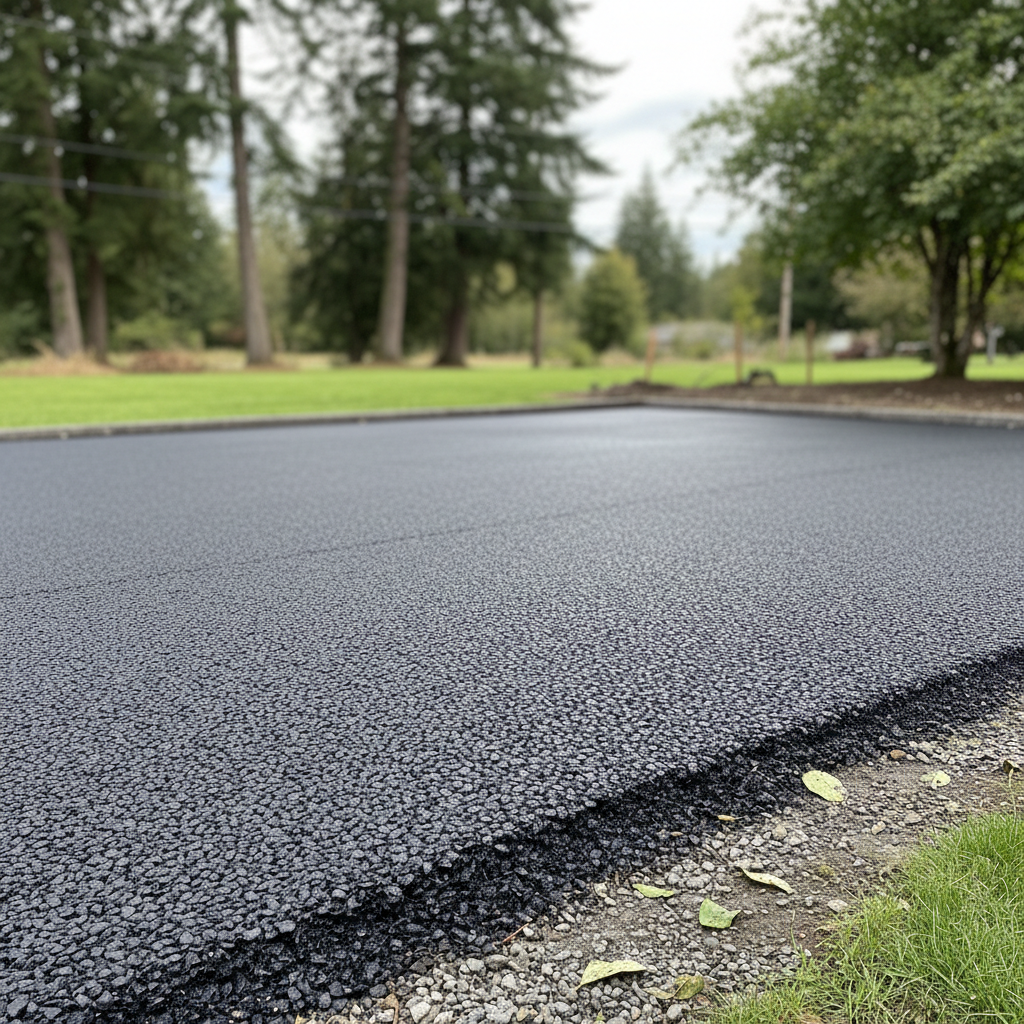
Thinking About a Home Parking Lot? Let's Talk Paving.
So, you've got some extra space and you're thinking about putting in a parking lot at your Marysville home. Maybe it's for an RV, or you need more guest parking, or a dedicated spot for your boat. Whatever the reason, this is a bigger job than just throwing down some gravel, and you really need to know what you're getting into. I've seen a lot of these projects, both done right and done... well, let's just say not so right. Let's break down what you need to know before, during, and after the work, and where you should absolutely call in a pro.
Before You Dig: Planning & Permits
First things first: planning. Don't even think about moving dirt until you've got a solid plan in place. How big will it be? What kind of vehicles will use it? How often? These aren't just minor details; they pretty much dictate the entire structure of your parking area. You'll need to think about drainage, too. We get plenty of rain here in Marysville, and standing water is the enemy of any paved surface. You definitely don't want water pooling up against your foundation or turning your new parking lot into a swamp.
Permits are a big one. You might think it's just your property, but local zoning laws and building codes still apply. Especially if you're talking about a significant paved area, the City of Marysville will likely have requirements. This isn't a DIY step, folks. You need to check with the city's planning department. They'll tell you about setbacks, impervious surface limits, and any environmental considerations. Skipping this can lead to fines, or worse, having to tear out your new parking lot. Seriously, don't risk it.
Another 'before' item is understanding your soil. We've got a lot of clay and silty soils around here, especially closer to the Snohomish River. That kind of soil can be tricky. It holds water and can shift, which means your sub-base needs to be extra strong. A professional will know how to assess this and recommend the right foundation for your specific property. This isn't something you can eyeball.
During the Project: Groundwork & Paving
Alright, you've got your plan and your permits. Now for the actual work. This is where the line between DIY and pro gets pretty clear.
What You Might Tackle Yourself (Carefully):
- Clearing the Area: If it's just grass or light brush, you can probably clear it yourself. Rent a small excavator or skid steer if you're comfortable operating one.
- Basic Grading (Maybe): For very small, simple areas with good existing drainage, you might be able to do some light grading to establish a slight slope. But I'm talking slight.
- Edge Definition: Laying out string lines and marking boundaries is definitely something you can do.
Where You Absolutely Need a Pro:
- Excavation & Subgrade Preparation: This is critical. You need to dig to the right depth, remove any organic material, and then compact the subgrade properly. If this isn't done right, your asphalt will crack and fail prematurely. You can't just rent a compactor and call it good; it takes experience to know when the subgrade is truly stable.
- Base Layer Installation: This is the backbone of your parking lot. It needs to be the right material (usually crushed aggregate), laid in specific lifts, and compacted to precise specifications. This isn't just about dumping rock; it's about creating a strong, stable, load-bearing foundation.
- Asphalt Paving: Unless you own a paving machine, a roller, and have a crew that knows how to lay hot mix asphalt, this is 100% a job for Absolute Asphalt Co. or another reputable paving contractor. Asphalt needs to be laid at the right temperature, at the right thickness, and compacted immediately and uniformly. If you try to do this yourself, you'll end up with an uneven, weak surface that won't last.
- Drainage Systems: If your plan includes catch basins, French drains, or other specific drainage solutions, a pro needs to install these. Getting the grades right and ensuring proper flow is essential.
After the Paving: Care & Maintenance
So, the asphalt's down, it looks great, and you've got your new parking area. Now what? Just like a new car, it needs some care to last.
- Curing Time: Don't drive on it right away! Hot mix asphalt needs time to cure and harden. Your contractor will tell you how long, but typically it's at least 24-72 hours for light traffic, and longer for heavy vehicles.
- Sealcoating: This is your parking lot's sunscreen and rain jacket. About 6-12 months after installation, and then every 2-3 years, you'll want to sealcoat it. This protects the asphalt from UV rays, water penetration, and chemicals like oil and gas. You can buy sealcoat at hardware stores, but applying it evenly and effectively over a large area is tougher than it looks. For a professional finish that truly protects, I'd recommend having us or another pro do it.
- Crack Sealing: Even with the best paving job and regular sealcoating, cracks can appear over time. Small cracks are normal, but they need to be sealed quickly to prevent water from getting underneath and damaging the base. This is a maintenance task you can often do yourself with a good quality crack filler, but make sure you follow the instructions carefully.
- Cleaning: Keep it clean. Sweep off debris, leaves, and dirt regularly. Don't let oil or gas spills sit; clean them up immediately to prevent damage to the asphalt.
Ultimately, while you can handle some of the initial groundwork and ongoing maintenance for your home parking lot, the core paving work – the excavation, base prep, and actual asphalt laying – is a specialized job. You're investing a lot of money, and you want it to last. For that, you really need to bring in the pros. Give us a call at Absolute Asphalt Co. if you're in Marysville and want to talk through your project. We're happy to give you an honest assessment.