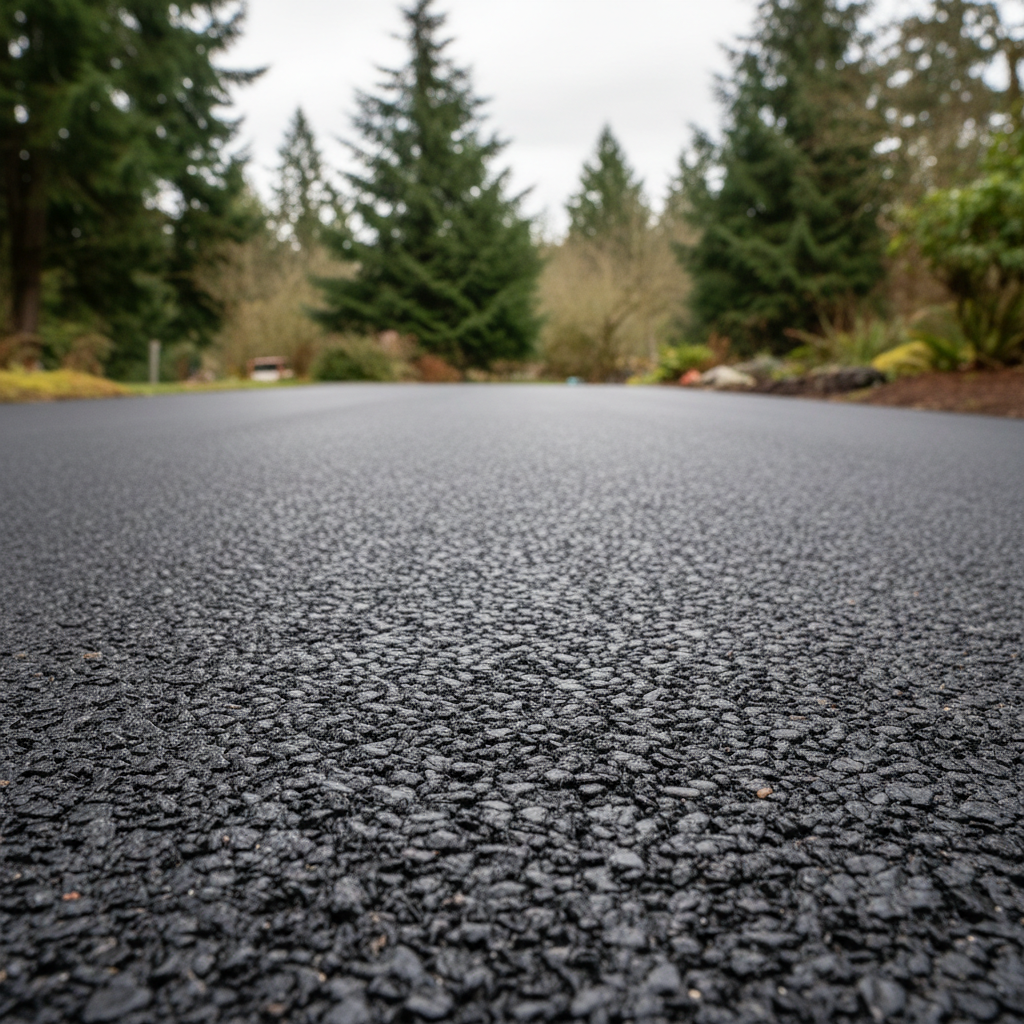
So, you're looking at your driveway and thinking it's time for an upgrade, or maybe it's just seen better days. A good asphalt driveway can really boost your home's curb appeal and function, but it's not a small job. As someone who's been laying asphalt around Marysville for years, I've seen it all – the good, the bad, and the downright ugly. Let's talk about what you, as a homeowner, need to know.
Before the Shovel Hits the Ground
Planning is key. You wouldn't build a house without a blueprint, right? Same goes for your driveway. First, figure out what you actually need. Are we talking about a brand new installation, or is it a repair, an overlay, or just some sealcoating? These are very different projects with different costs and timelines.
New Installation: This is the big one. It means digging out the old stuff, grading the sub-base, and laying down fresh asphalt. If your current driveway is gravel, or if it's so cracked and uneven it looks like a jigsaw puzzle, you're probably in this camp. The most important part here is the sub-base. Around Marysville, especially in areas with a lot of clay soil, you need proper drainage and compaction. If that sub-base isn't solid, your new asphalt won't last, no matter how good the top layer is.
Overlay: If your driveway has some cracks but is generally stable and has good drainage, an overlay might work. We'd clean it up, fix the bigger cracks, and then put a fresh layer of asphalt right on top. It's usually cheaper than a full replacement, but it's not a fix-all. If your driveway is sinking or has major structural issues, an overlay is just putting a band-aid on a broken leg.
Repairs: Potholes, small cracks, edge deterioration – these can often be patched. You can buy cold patch asphalt at the hardware store for small, temporary fixes. For anything bigger, or if you want it to actually last, you'll need a professional hot patch. Don't try to hot patch yourself unless you've got the right equipment and know what you're doing. It's not like pouring concrete.
Permits: Check with the City of Marysville planning department. For most residential driveway replacements or new installations, you might need a permit, especially if you're changing the footprint or tying into a city street. Don't skip this; fines are no fun.
During the Project: What to Expect
Okay, you've decided on the scope, maybe you've even picked a contractor (hopefully Absolute Asphalt Co!). What happens next?
- Excavation & Grading: For a new driveway, we'll dig out the old material and shape the ground. This is critical for proper water runoff. You don't want puddles forming on your new driveway, especially not in our rainy Washington winters.
- Base Layer: We'll lay down a layer of crushed rock, usually compacted to create a strong, stable foundation. This is where a lot of the strength comes from.
- Asphalt Paving: Hot asphalt is laid down and compacted with heavy rollers. This is where the magic happens. It's a precise job; temperature, thickness, and compaction all matter.
- Curing: Once the asphalt is down, it needs time to cure. You can usually drive on it lightly within a few days, but it takes several months to fully harden. Be gentle with it, especially in the first few weeks. No heavy trucks, no sharp turns with power steering while stationary – that'll scuff it right up.
What can you DIY? Honestly, not much on a full paving job. You can clear the area, maybe remove some old gravel if you're feeling ambitious and have the right tools. But the heavy machinery, the hot asphalt, the precise grading and compaction? That's definitely pro territory. You'll save money in the long run by hiring someone who knows what they're doing the first time around.
After the Asphalt is Down: Maintenance Matters
Your new driveway isn't maintenance-free, but a little care goes a long way. Think of it like your car – regular oil changes keep it running smooth.
- Keep it Clean: Sweep off dirt, leaves, and debris regularly. Don't let oil or gas spills sit; clean them up immediately with an absorbent material and mild detergent. Petroleum products break down asphalt.
- Sealcoating: This is a big one. About a year after your new driveway is installed, you'll want to sealcoat it. Then, every 2-3 years after that, depending on traffic and wear. Sealcoating protects the asphalt from UV rays, water penetration, and chemicals. It's like sunscreen for your driveway. You can buy DIY sealcoat kits, but for a professional finish and proper application, I'd recommend having us do it. It's a messy job, and getting an even coat without streaks or puddles takes practice.
- Crack Repair: Small cracks will happen. It's the nature of asphalt. Address them quickly. You can buy crack filler at hardware stores for minor cracks. Clean the crack thoroughly, then apply the filler. Don't let small cracks turn into big potholes.
- Edge Protection: The edges of your driveway are often the weakest point. Avoid driving or parking heavy vehicles right on the edge. If you've got soft shoulders, consider adding some gravel or a concrete curb for support.
A good asphalt driveway is a solid investment. Do your homework, ask questions, and don't be afraid to call in the pros when the job is bigger than your weekend warrior skills. We're here to help Marysville homeowners get driveways that last.