Do I really need a professional for my parking lot, or can I DIY it?
Look, I get it. We all like to save a buck and tackle projects ourselves. For a small patch on your driveway, maybe. But for a whole parking lot? Absolutely not. This isn't like laying down some patio pavers. Parking lots need proper subgrade preparation, specific drainage, precise asphalt mix, and heavy-duty compaction equipment. If you don't get the base right, your asphalt will fail fast, cracking and sinking within a year or two. You'll end up spending way more to fix a botched DIY job than if you'd just hired a professional from the start. We've got the specialized gear and the know-how to make sure it lasts.
What's the biggest mistake people make when planning a parking lot?
The biggest mistake, hands down, is underestimating the importance of the subgrade and drainage. People see the asphalt as the main event, but it's really just the icing on the cake. If your foundation isn't solid, your cake's going to crumble. Here in Marysville, especially with our clay soils in areas like the Sunnyside neighborhood, proper drainage and a well-compacted, stable subgrade are critical. Water is asphalt's worst enemy. If water gets under your pavement and freezes, or if the soil underneath is constantly saturated, you'll see alligator cracking and potholes appear much faster. We always spend a lot of time on the base because it's what supports everything else.
How long does a new asphalt parking lot typically last?
A well-installed asphalt parking lot, with proper maintenance, should easily last 15 to 20 years, sometimes even longer. That's if it's done right from day one. What does "done right" mean? It means a solid base, the correct asphalt thickness for the expected traffic, and good compaction. The "proper maintenance" part is key too. That includes regular sweeping, crack sealing, and sealcoating every few years. If you neglect those things, you'll be looking at repairs or even a full replacement much sooner.
What's the deal with asphalt thickness? Does it really matter?
It absolutely matters, and it's not a place to cut corners. The thickness of your asphalt layer depends entirely on what kind of traffic your parking lot will see. Is it just for a few cars at a small business? Or will it have heavy delivery trucks and lots of daily traffic? A standard parking lot for light to medium traffic might need 2-3 inches of asphalt over a well-prepared base. But if you've got heavy vehicles, you might need 4 inches or more. Skimping on thickness means your pavement won't be able to handle the load, leading to premature rutting and structural failure. We'll assess your specific needs and recommend the right thickness to ensure durability.
What's the difference between new paving and an overlay? When should I choose which?
Okay, so new paving, also called full-depth paving or reconstruction, is when we remove all the old material – asphalt, base, everything – and start fresh. We'll re-grade the subgrade, put down new aggregate base, and then lay new asphalt. You choose this when your existing parking lot is completely shot: widespread cracking, significant potholes, major drainage issues, or a failed base. An overlay, on the other hand, is when we put a new layer of asphalt directly over your existing, but still structurally sound, pavement. We'll usually mill off the top inch or two first, make some minor repairs, and then put down 1.5 to 2 inches of new asphalt. You'd go with an overlay if your existing parking lot has surface wear, minor cracking, and good drainage, but the underlying base is still solid. It's a more cost-effective solution when appropriate, but it won't fix underlying structural problems.
How long until I can drive on my new parking lot?
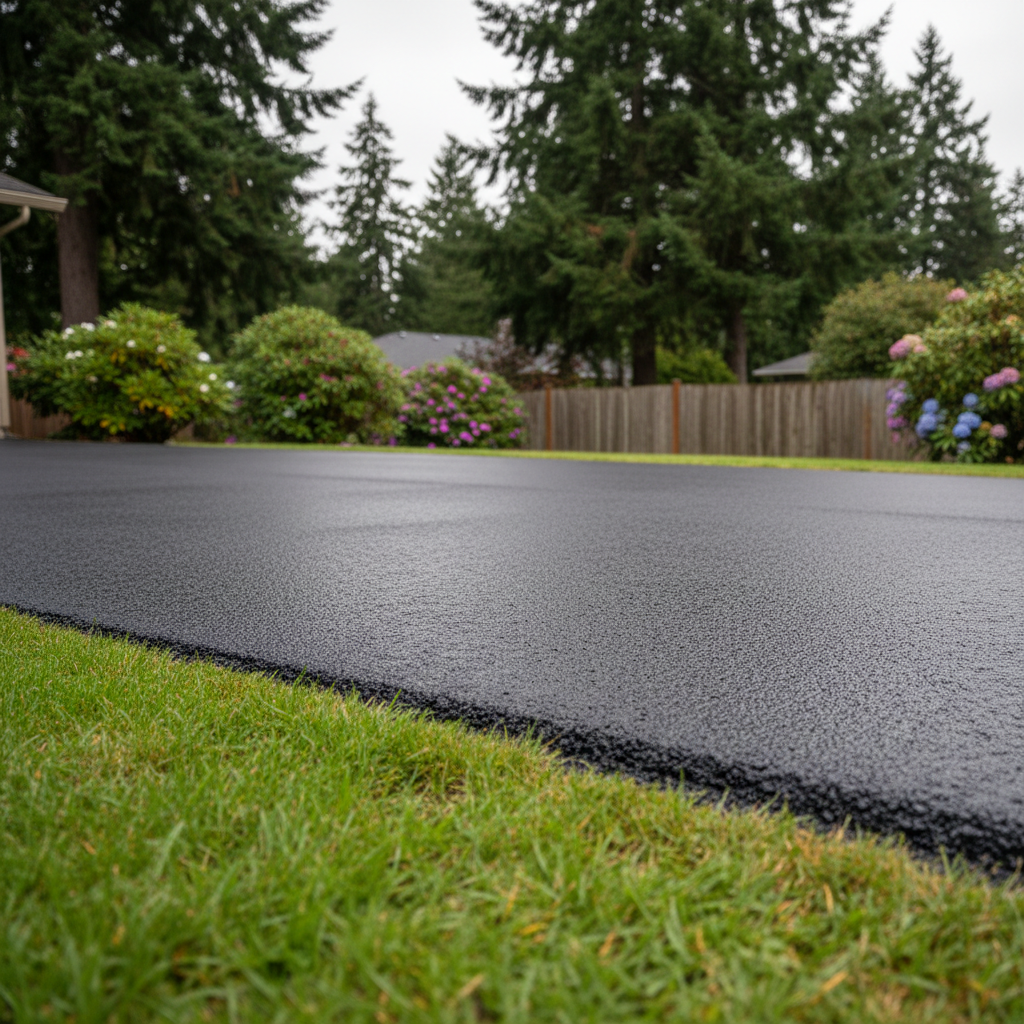
Typically, you can drive on a newly paved asphalt parking lot within 24 to 72 hours. This allows the asphalt to cool and harden properly. Now, it's important to understand that while it's solid enough for light traffic, it's still curing. It takes several months for asphalt to fully cure and reach its maximum strength. So, for the first few weeks, try to avoid heavy vehicles, sharp turns, or parking in the exact same spot every day, especially during hot weather. We'll give you specific instructions for your project, but generally, a few days of patience goes a long way in ensuring the longevity of your new pavement.
What kind of ongoing maintenance does an asphalt parking lot need?
Maintenance is crucial if you want your parking lot to last. First off, keep it clean. Regular sweeping prevents debris from embedding in the asphalt and keeps drains clear. Second, crack sealing. This is probably the most important thing you can do. As soon as you see cracks, get 'em filled. It stops water from getting into your base layer. Third, sealcoating. This is like sunscreen for your asphalt. It protects against UV rays, water, and oil spills. I usually recommend sealcoating every 2-4 years, depending on traffic and weather exposure. And finally, address potholes quickly. Don't let them grow. Absolute Asphalt Co can help you set up a maintenance plan so you don't have to think about it.
What's the typical timeline for a parking lot paving project?
That depends on the size and complexity, but for a typical small to medium-sized parking lot, the actual paving work can often be completed in a few days to a week. This doesn't include the planning and prep work, which can take longer. We're talking about excavation, grading, base installation, and then the asphalt layers. Weather plays a huge role too; we can't pave in heavy rain or freezing temperatures. We'll always give you a clear timeline upfront, factoring in everything from permits to curing time, so you know what to expect and can plan accordingly for any business disruptions.