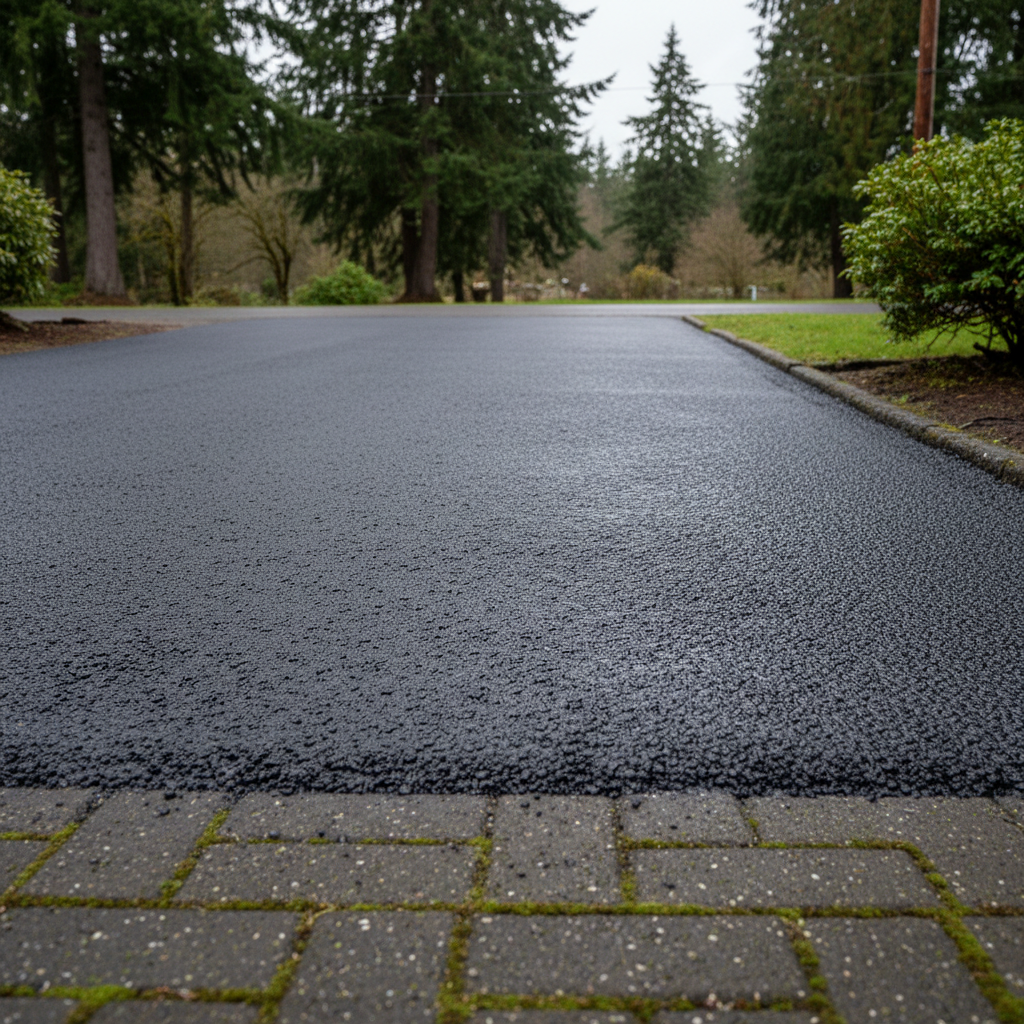
Alright, let's talk about slurry coating. You've got an asphalt driveway, and you want to keep it looking good and lasting long, right? Slurry coating is one of the best ways to do that. It's basically a protective layer applied over your existing asphalt. Think of it like sunscreen for your driveway – it shields it from the sun's UV rays, water, and general wear and tear. But the big question for homeowners is always: can I do this myself, or should I call a pro?
What Slurry Coating Does for Your Driveway
First off, why even bother with slurry coating? Well, it does a few important things. It restores the rich black color of your asphalt, making your whole property look sharper. More importantly, it fills in small cracks and voids, sealing the surface against water penetration. Water is the enemy of asphalt; it gets into those tiny cracks, freezes, expands, and then boom – you've got bigger cracks and potholes. A good slurry coat slows that whole process down significantly.
It also provides a new wearing surface. Your asphalt takes a beating from tires, oil drips, and even just the sun beating down on it all day. The slurry coat takes that abuse instead of your actual driveway, extending its life. For folks in areas like the Sunnyside neighborhood, where driveways see a lot of sun exposure and then get hit with our wet winters, this protection is super valuable.
Before You Start: Assess Your Driveway
This is where the DIY vs. Pro decision really starts. Take a good, hard look at your driveway. Is it mostly in good shape with just some fading and a few hairline cracks? Or are we talking about widespread alligator cracking, significant potholes, or areas where the asphalt is crumbling?
- Minor Issues (DIY Potential): Fading, very small hairline cracks (less than 1/8 inch wide), and a generally sound surface. If this sounds like your driveway, a DIY slurry coat might be doable.
- Major Issues (Call a Pro): Lots of deep cracks, potholes, areas where the asphalt is soft or broken up, significant oil stains that haven't been cleaned, or drainage problems. If you're seeing these, you're beyond a simple slurry coat. You probably need asphalt repair first, and then a professional application for the slurry. Trying to DIY over these problems is just a waste of time and money.
Another thing to consider is the size of your driveway. A small, single-car driveway is a lot less intimidating to tackle than a long, winding one that covers half an acre. The bigger the job, the more likely you'll want to bring in someone with the right equipment and crew.
The DIY Slurry Coating Process (If You Go That Route)
If you've decided your driveway is a good candidate for DIY, here's the rundown of what you're getting into:
- Clean, Clean, Clean: This is probably the most crucial step. You need to get your driveway absolutely spotless. Sweep off all loose debris, then power wash it thoroughly. Any dirt, oil, or loose gravel left behind will prevent the slurry from adhering properly, and it'll peel right off. Let it dry completely – usually 24-48 hours, depending on our Marysville weather.
- Repair Small Cracks: Fill any cracks up to 1/8 inch wide with an asphalt crack filler. Let that cure according to the product's instructions.
- Gather Your Tools: You'll need a good quality asphalt squeegee, brushes for edges, safety glasses, gloves, and old clothes. Make sure you have enough slurry product for at least two thin coats. Read the coverage rates on the buckets carefully.
- Apply the Slurry: Work in small sections. Pour a line of slurry across the driveway and use the squeegee to spread it evenly and thinly. Don't go too thick; thinner coats are better and cure more uniformly. Work your way backward so you don't step in wet product.
- Curing Time: This is critical. You need to keep traffic off the driveway for at least 24-48 hours, sometimes longer if it's humid or cooler. Don't rush it. Driving on it too soon will mess up your hard work.
When to Call Absolute Asphalt Co.
Look, I'm all for homeowners doing what they can themselves. But some jobs are just better left to the pros. Here's when you should definitely give us a call at Absolute Asphalt Co.:
- Extensive Damage: If you have significant cracking, potholes, or areas that need patching before sealing. We've got the equipment and expertise to do proper repairs that will last.
- Large Driveways: Covering a big area evenly and quickly before the product starts to cure is tough. We have specialized spray equipment that ensures a consistent, professional finish.
- Time Constraints/Lack of Patience: It's a messy, time-consuming job. If you don't have a full weekend to dedicate to cleaning, repairing, applying, and curing, you'll be happier letting us handle it.
- Uneven Surfaces or Drainage Issues: If your driveway has low spots where water pools, a professional can assess if a simple slurry coat will help or if you need more extensive grading or repair work.
- You Just Want It Done Right: Sometimes, peace of mind is worth the investment. We use commercial-grade products and techniques that often outperform what's available to homeowners, giving you a longer-lasting result.
Ultimately, a slurry coat is a maintenance item. It's not a permanent fix for a failing driveway, but it's an excellent way to protect a healthy one. Do your homework, assess your situation honestly, and make the right call for your property. Whether you DIY or call us, keeping your asphalt maintained will save you bigger headaches and costs down the road.